Sinking funds explained simply are one of the easiest ways to stop irregular bills from wrecking your budget. If a big cost catches you off guard every year, such as insurance, holiday gifts, or car repairs, this method can fix that problem for good. This guide breaks down what it is, how it works, and how you can start one today, no matter which currency you save in.
What Is a Sinking Fund?
A sinking fund is money you set aside a little at a time for a specific expense you already know is coming. Instead of paying one large bill in a single month, you spread the cost across several months ahead of time. By the time the bill arrives, the money is already there waiting for you.
This is different from regular savings. It has one clear job. You are not saving for someday. You are saving for something specific, such as your car insurance renewal or your child’s back to school shopping.
Once you understand what this method is, the rest becomes simple. You are basically paying your future bills a little bit at a time, so nothing ever feels like a surprise again.
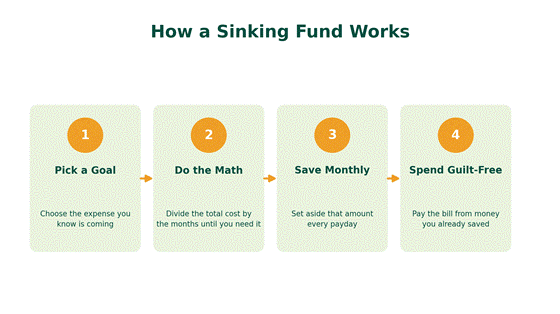
Figure 1: The four simple steps behind how this budgeting method works.
Why This Method Works So Well
This approach works because it turns one big, painful expense into several small, manageable ones. Paying 100 a month for six months feels very different from finding 600 all at once.
It also removes the guesswork from your budget. Instead of hoping you will somehow find the money when a bill lands, you already know it is covered. That small shift can lower your financial stress more than people expect.
Finally, this habit keeps you out of debt. Many people reach for a credit card the moment an expected bill catches them off guard. When the money is already saved and waiting, there is no need to borrow at all.
My Own Savings Story
In order to set up my very first sinking fund, I did not have any other option but to take a risk. There were some bills that I was sure about that would eventually come and they kept catching me off guard. However, one month, I tried a new approach to managing my finances. Therefore, I created an additional savings account where I placed some money from my salary each payday. At first, I could not see any improvements in my financial situation. However, a few months later, I found out that there was enough money to pay for my upcoming bills without any trouble. It gave me a new perspective on managing my finances.
Over time, I have created several funds, such as auto repairs and subscription fees. The most surprising thing about this method is how much calmer it has made me in terms of dealing with my expenses. I used to be afraid of some particular months since I knew that I would have to pay some huge bills. Now, I just do that and continue my life. Also, I do not turn to my credit card when an unforeseen bill occurs, instead, I take money from the already existing fund. If you know what I am talking about, try this way of saving money.
How Much Should You Save Each Month?
The math behind this method is simple. You take the total amount you need and divide it by the number of months you have until you need it. If you need 600 in six months, you save 100 a month.
The great thing about this method is that it works in any currency. Whether you save in US dollars, British pounds, Canadian dollars, or Australian dollars, the same simple formula applies. Just swap the currency symbol and the plan still works exactly the same way.
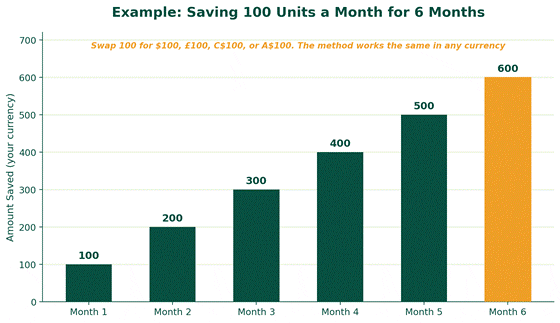
Figure 2: Example of this method growing by 100 a month over six months, in any currency.
Sinking Fund vs Emergency Fund
People often mix these two up, but they solve different problems. An emergency fund is for the unexpected, such as a job loss or a medical emergency. This kind of fund is for the expected, such as an expense you already know is coming.
Your emergency fund is usually one large pot of money that you hope to never touch. This approach often looks different. It is usually split into several smaller funds, each with its own goal and its own timeline.
Both funds matter, and most healthy budgets include a bit of each. If you have not built yours yet, our guide to how much emergency fund you really need is a good place to start before layering this method on top.
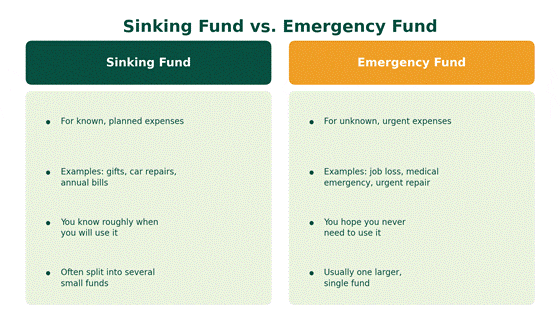
Figure 3: Sinking fund vs emergency fund, side by side.
Sinking Fund Examples
Once you start looking, you will notice plenty of expenses that fit perfectly into this kind of fund. This works well alongside a zero-based monthly budget, where every category, including these funds, has a job to do. A few common categories include the following.
- Holiday and birthday gifts, so December never wrecks your budget
- Car maintenance and repairs, since tyres and services always come around
- Annual insurance premiums, which feel much smaller when spread monthly
- Back to school shopping, timed to arrive before the new term starts
- Family vacations, so you can travel without touching your savings
- Home repairs and maintenance, for the fixes every house eventually needs
- Subscription renewals, especially the annual ones that sneak up on you
You do not need a fund for every single category right away. Start with the one or two expenses that catch you off guard most often, then add more funds once those feel manageable.
How to Start a Sinking Fund
Starting this kind of fund does not take much time or money. Follow these simple steps to set up your first one this week.
- Pick one upcoming expense you already know is coming
- Work out the total amount you will need
- Divide that amount by the number of months until the bill is due
- Set up a separate account or a labelled savings pot for that goal
- Move the money in automatically every payday so you never forget
Once your first fund is running smoothly, you can repeat the process for your next goal. Many people end up with three to five active sinking funds once the habit sticks.
Where Should You Keep Your Sinking Fund?
Your sinking fund should be easy to reach but separate from your everyday spending money. A dedicated savings account works well for most people, especially one that lets you create multiple named pots.
Some banks and budgeting apps let you split one account into several visual savings pots, which makes tracking progress simple. Ramsey Solutions and Bankrate both offer useful breakdowns of account options if you want to compare providers. Wherever you choose to keep it, the most important part is keeping it separate from the account you use for daily spending, so you are never tempted to dip into it early.
Frequently Asked Questions
What is a sinking fund in simple terms?
A sinking fund is money you save gradually for a specific expense you already know is coming, so the full amount is ready when the bill arrives.
What is the difference between a sinking fund and a savings account?
A savings account can hold money for many different purposes at once. This kind of fund is more focused, with each one tied to one specific goal and timeline.
What is the difference between an emergency fund and a sinking fund?
An emergency fund covers unexpected costs like a job loss or medical bill. This method covers expected costs you can already plan for, such as car insurance or holiday gifts.
How much money should you have in a sinking fund?
The amount depends on the expense you are saving for. Add up the total cost, then divide it by the number of months you have before the bill is due.
Where should I keep my sinking fund?
Most people keep this kind of savings in a separate account or a labelled pot within a budgeting app, away from everyday spending money.
Are sinking funds considered savings?
Yes, sinking funds are a form of savings. The difference is that the money has a specific job attached to it, rather than sitting untouched with no clear purpose.
What are the disadvantages of a sinking fund?
The main downside is that it takes discipline to keep funding it every month, and setting up too many funds at once can feel overwhelming. It also requires some planning, since you need to estimate costs and timelines fairly accurately.
Is a sinking fund good or bad?
For most people, this is a genuinely good habit. It reduces stress, avoids debt, and makes irregular bills predictable, as long as you keep contributions consistent and realistic for your income.
Final Thoughts
This method will not fix every money problem overnight, but it removes one very common source of stress. Once you have even one fund running, those once dreaded bills start to feel like just another normal part of your month.